
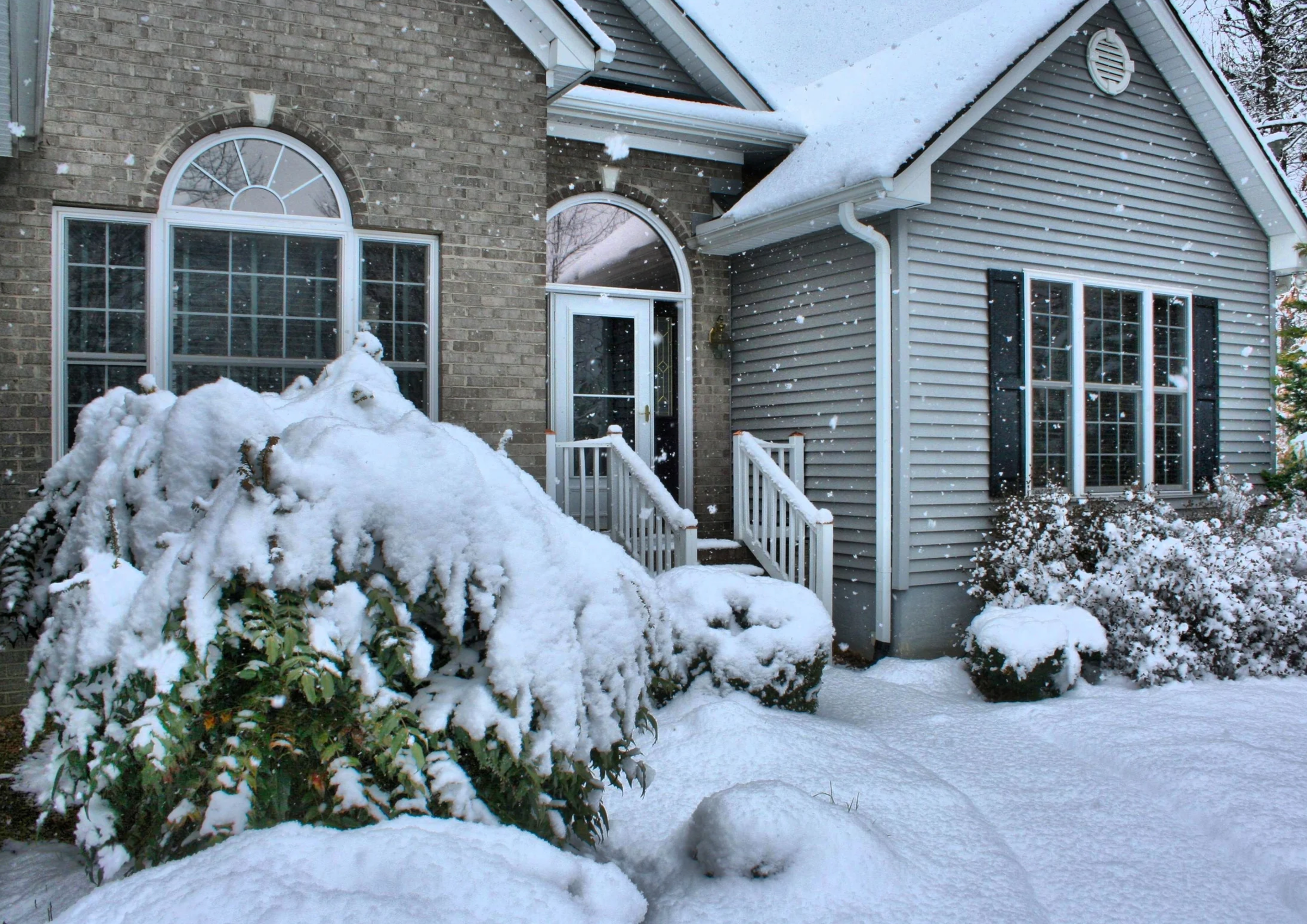
When temperatures begin dropping across Southeast Michigan, your home's heating system becomes one of the hardest-working appliances in your house. As November brings colder weather and winter approaches, many homeowners start looking for ways to stay comfortable without seeing their energy bills climb.
The good news is that improving your home's heating efficiency doesn't always require replacing your furnace or investing in expensive upgrades. A few simple maintenance habits and adjustments can make a meaningful difference in how your home uses energy.
Here are five ways to help your heating system operate efficiently and keep your home comfortable throughout the Michigan winter.
1. Replace Your Furnace Filter Regularly
One of the easiest and most important steps you can take to maintain your heating system is replacing its air filter.
Over time, dust, pet hair, and other airborne particles collect in the filter. When the filter becomes clogged, airflow can become restricted, potentially making your furnace work harder to circulate warm air.
A few things to keep in mind:
Check your furnace filter regularly throughout the heating season.
Replace dirty filters according to the manufacturer's recommendations.
Make sure you purchase the correct filter size and type for your system.
Check more frequently if you have pets or higher levels of household dust.
A clean filter supports proper airflow and helps your HVAC system operate as intended.
2. Keep Air Vents and Returns Clear
If your home has rooms that seem colder than others, restricted airflow could be contributing to the problem.
Furniture, rugs, curtains, and other household items can accidentally block supply vents and return-air grilles. This can interfere with air circulation and make it harder to maintain consistent temperatures throughout your home.
Walk through your home and check that:
Furniture isn't covering heating vents.
Rugs aren't blocking floor registers.
Return-air grilles have adequate clearance.
Vents are open and unobstructed.
If certain rooms consistently feel warmer or colder than others, an HVAC professional can help determine whether the issue involves airflow, ductwork, or another part of your heating system.
3. Use Your Thermostat Strategically
Your thermostat plays an important role in managing your home's heating system.
One way to help manage energy consumption is to adjust your thermostat when you're away from home or sleeping. A programmable or smart thermostat can make these adjustments automatically based on your schedule.
For example, you may choose to lower the temperature while everyone is away during the day and return it to your preferred setting before arriving home.
A few thermostat tips:
Avoid making frequent, unnecessary temperature adjustments.
Consider a programmable thermostat if you don't already have one.
Check your thermostat's batteries if applicable.
Make sure the thermostat isn't exposed to direct sunlight or drafts that could affect its readings.
If you're considering a smart thermostat, make sure it's compatible with your existing heating system before purchasing one.
4. Reduce Heat Loss Around Windows and Doors
Even an efficient furnace can struggle to keep your home comfortable if warm air is escaping and cold air is finding its way inside.
As Michigan temperatures drop, check the areas around your windows and exterior doors for noticeable drafts.
Some simple ways to help reduce heat loss include:
Replace worn or damaged weatherstripping.
Use door sweeps where appropriate.
Seal gaps around windows and exterior doors.
Close curtains or blinds during colder evenings.
Open window coverings during sunny winter days to take advantage of natural warmth.
These improvements can help your heating system maintain indoor temperatures without having to compensate for as much unwanted heat loss.
5. Schedule Professional HVAC Maintenance
Regular professional maintenance is one of the best ways to help protect your heating system and identify potential problems before they become larger concerns.
Even if your furnace seems to be working normally, certain components require professional inspection and service to ensure the system is operating properly.
During a maintenance visit, a qualified HVAC technician can evaluate system performance, inspect relevant components, check safety controls, and identify signs of wear or potential issues.
Professional maintenance can help:
Identify developing mechanical problems.
Evaluate heating system performance.
Check important safety features.
Address issues that may affect airflow or operation.
Help you understand the overall condition of your heating equipment.
If your furnace is making unusual noises, cycling frequently, or struggling to maintain your desired temperature, don't wait until the system stops working to have it evaluated.
Don't Let Heating Efficiency Take a Back Seat This Winter
Michigan winters can put considerable demands on residential heating systems. While there are several things homeowners can do to improve comfort and support efficient operation, professional HVAC maintenance remains an important part of keeping your system in good working condition.
At Design Comfort, we help homeowners throughout Southeast Michigan with their heating and cooling needs. Whether you're looking for heating system maintenance, repairs, or a new installation, our team is here to help you find the right solution for your home.
Don't wait until the coldest days of winter to address heating concerns.
Contact Design Comfort today to learn more about our heating services and keep your home comfortable throughout the season.
Visit designcomfort.com to learn more and get in touch with our team.
